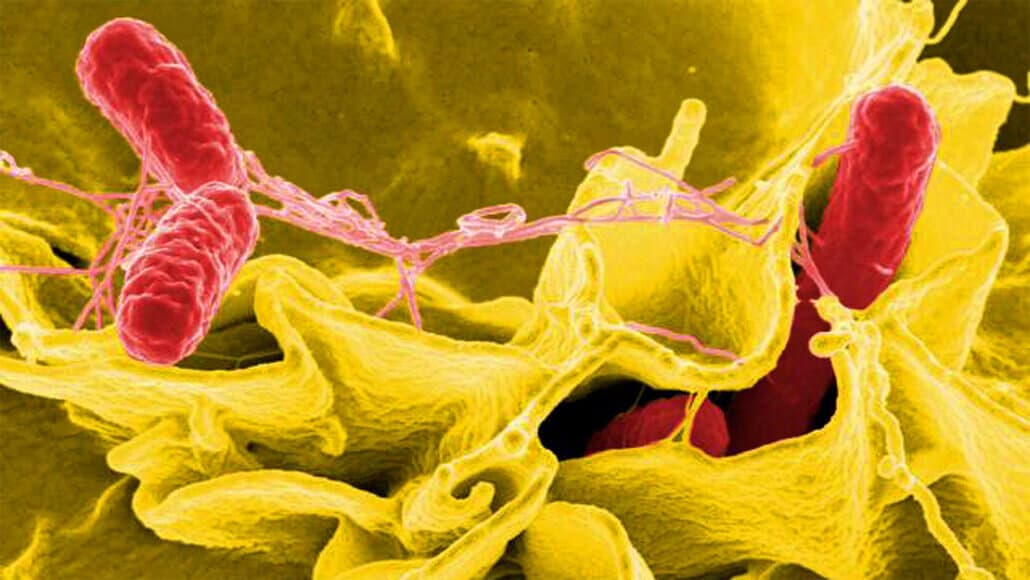
Immune Cells' Interesting Defense System
Current Science News
Scientists have recently discovered a fascinating foam-like substance produced by epithelial cells that has the remarkable ability to dissolve chunks of bacterial membranes. This groundbreaking finding reveals a previously unknown mechanism of immune defense that has been operating in our bodies all along.
What makes this discovery particularly interesting is that this immune response had been overlooked for centuries, despite extensive study of the immune system. The foam-like substance represents a unique approach to fighting bacterial infections that differs from other known immune mechanisms.
The key to this defense system's effectiveness lies in how it targets bacterial lipids while leaving host cells unharmed. This selective targeting is crucial, as it allows the immune system to eliminate bacterial threats without causing collateral damage to the body's own tissues.
This discovery has significant implications for the development of new antimicrobial treatments. By understanding how this natural defense system works, researchers may be able to develop new therapies that harness or enhance this mechanism to fight bacterial infections more effectively.
As antibiotic resistance continues to be a growing concern, finding new ways to combat bacterial infections is more important than ever. This newly discovered immune mechanism could provide a valuable tool in the ongoing battle against infectious diseases.